Limited driving history is one of the more stubborn pricing drivers in auto insurance. Carriers lack data about how you drive, so they price for uncertainty. That does not mean you are doomed to the most expensive premiums. With a mix of documentation, smart product choices, and a proactive local relationship, you can narrow the gap between a novice driver and an affordable State Farm quote.
This article walks through realistic tactics I use with clients and family when a short or interrupted driving record makes quotes high. Expect concrete steps you can take today, trade-offs you should weigh, and practical examples that match real-world outcomes.
Why State Farm can be a good choice when history is limited
State Farm is large and agent-centered. That matters for someone with limited history because the conversation you have with a local State Farm agent often moves beyond an automatic online price. Agents know which discounts apply in your state, how to document alternate proof of responsibility, and how to structure a policy so it protects you without needless costs. If you search for "Insurance agency near me" and find a responsive State Farm agent, that agent can make a measurable difference.
State Farm also has several discounts and programs relevant to drivers with thin records: usage-based telematics through Drive Safe & Save, good student discounts, multi-policy and multi-vehicle discounts, and options such as non-owner policies in some states. Those tools are not universal cures, but used together they can cut premiums and bridge gaps until you have a stronger driving record.
Start with accurate information, not assumptions
When I begin a quote for someone with limited history I ask for three pieces of clarity right away: the exact driving history window (how long you have been licensed), the state where the car is garaged, and who will be the primary driver. Small details matter. Having been licensed for 18 months is different from having been licensed and uninsured for a year. Insurance companies use these distinctions to calculate risk.
A lot of people overstate or understate details when they shop quickly online. That leads to aggressive quotes or surprise nonrenewals later. Be honest about things like permit periods, out-of-country driving, and gaps in coverage. If you were insured under a parent's policy while a teen driver, that history often helps even if you later switched.
Five practical steps to lower a State Farm quote with limited history
- Gather documents that substitute for experience: proof of driver training, good student status, vehicle safety certificates, prior insurance declarations pages. Ask about Drive Safe & Save enrollment up front, and use it actively for the first six to 12 months. Consider adding an experienced driver to the policy as an occasional occasional operator or listed secondary driver if that fits real usage. Compare non-owner coverage versus full coverage based on vehicle ownership; sometimes a non-owner policy is the sensible bridge. Bundle auto with renters or homeowners insurance if you can, and evaluate raising the deductible to lower premium while keeping emergency savings to cover it.
What those steps look like in practice
Proof of driver training: Many states and insurers accept completion certificates from a driver education course. A one-week intensive or a state-certified online program can be inexpensive relative to the premium it helps reduce. For a 19-year-old client of mine, a documented 30-hour driver ed program documented on her State Farm quote lowered her young driver surcharge enough to make a midsize sedan much more affordable.
Drive Safe & Save: this is State Farm's usage-based program that uses a mobile app or a plug-in device to record driving habits. For drivers with limited history, the first months of telematics can be the quickest way to show insurers that risk is lower than assumed. Outcomes vary by behavior and location, but safe, low-mileage drivers often see meaningful reductions after enrollment. If your commute is short and you avoid night driving and hard braking, the program tends to work in your favor. If you have variable habits or must drive long distances nightly, the benefit can be smaller.
Adding an experienced driver: If a parent or spouse with a clean driving record regularly drives the same vehicle, listing them appropriately on the policy can reduce the rate applied to the vehicle. The coverage must reflect reality. A parent should not be listed as the primary driver if they never use the car; doing so is misrepresentation. When used honestly, this approach shifts some risk profile and often results in a lower premium for the less-experienced named operator.
Non-owner vs. Full coverage: If you borrow cars, rent occasionally, or have a short-term vehicle share, a non-owner policy provides liability protection without insuring a specific car. It is significantly cheaper than full coverage on a financed vehicle, but it does not cover damage to a car you drive, nor will it meet lender requirements. For someone fresh out of school who plans to rely on rideshares and family cars, a non-owner policy with State Farm may be the affordable interim solution.
Bundling and deductibles: Bundling auto with renters or homeowners insurance at State Farm frequently yields a discount. Also, raising the collision and comprehensive deductible from $500 to $1,000 typically lowers a premium materially. The trade-off is straightforward: lower monthly cost, higher out-of-pocket after a loss. For drivers with limited history who rarely drive in high-risk environments, accepting a higher deductible can make the policy budget-friendly until driving record improves.
How agents and local knowledge change the equation
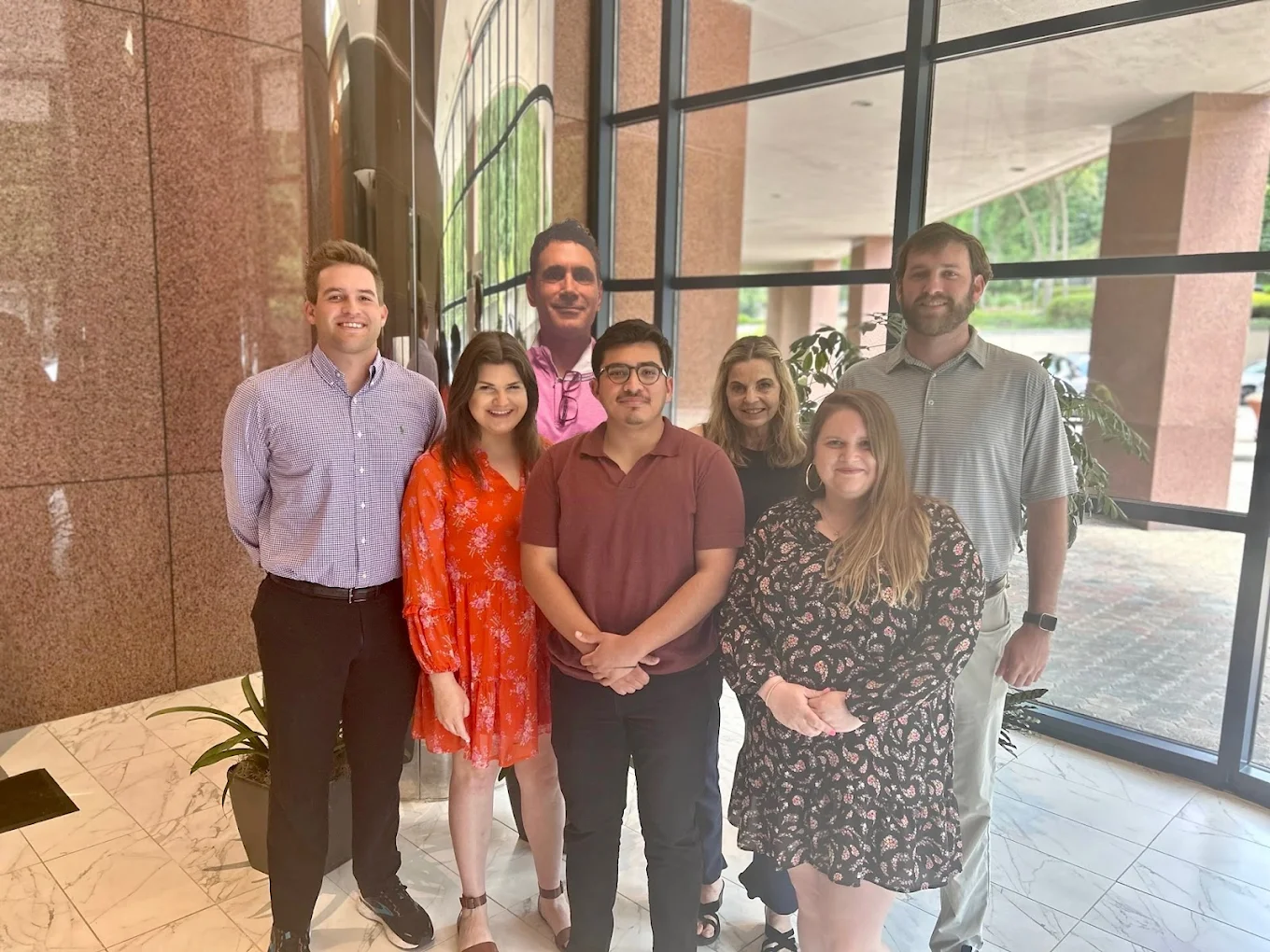
An independent internet quote is a baseline; a conversation with a State Farm agent is the opportunity. Agents understand how to document evidence of safe driving, which discounts stack in your state, and which underwriting exceptions can be requested. Agents can also run hypothetical scenarios that show how adding a second vehicle or changing the statefarm.com State farm agent garaging address affects numbers.
I once worked with a college graduate who was priced out when applying online. A local State Farm agent reviewed her transcript and verified a good student discount, noted a low-mileage proof for the summer months, and documented completion of an accredited driver training course. That combination closed a 25 to 30 percent gap in the quote she initially received online versus the agent-placed policy she ultimately accepted. Not every case yields that much difference, but the agent's ability to capture real-world mitigating facts proved decisive.
Common discounts and eligibility nuances
State Farm offers several discounts that frequently matter for less-experienced drivers. Good student discounts often require a B average or higher and documentation such as an official transcript. Drive Safe & Save requires enrollment and active use. Multi-policy discounts depend on bundling homeowners or renters insurance. Multivehicle discounts apply when more than one car is insured on the same policy.

Vehicle-specific discounts are underused. Cars with safety features like anti-lock brakes, stability control, and approved anti-theft devices regularly qualify for savings. If you plan to buy a used car, choosing a model with these features can pay back in lower insurance costs, especially for drivers without years of claims history.
Three mistakes that raise quotes unnecessarily
- Relying only on online quoting without contacting an agent to document discounts or alternate proofs. Misrepresenting primary driver or garaging address to chase a lower rate, which can lead to rejected claims or cancellation. Automatically choosing the cheapest liability-only option when the vehicle is financed or when gap coverage is needed.
Each of those errors has a downside that can be expensive. Online quotes are a start, but they do not capture the nuances an agent can. Misrepresentation is risky because a claim investigation will focus on usage. Choosing minimal coverage to save money can leave you exposed to lender penalties or to personal liability in a serious crash.
Managing trade-offs: rate versus protection
Deciding how much coverage to buy is a judgment call. If you are leasing or financing a vehicle, the lender typically requires comprehensive and collision. If you own the car outright and it is worth less than a couple thousand dollars, some drivers accept liability-only coverage to save money. That is a defensible choice if you have other assets in that state or plan to replace the vehicle soon. Be explicit about the trade-off. I often advise a client with a brand-new car and limited history to accept a slightly higher premium so they avoid exposure that could cost tens of thousands after a severe loss.
Telematics can lower cost but collect data
Drive Safe & Save rewards safe driving behavior with reduced premiums. It records metrics such as speed, braking, and time of day. If you expect your early months on the road to be cautious, telematics helps you prove that to State Farm. However, be mindful of data collection. While many drivers see discounts, a few who drive aggressively will find premiums unchanged or higher. Read the program terms and check whether your state has any regulatory restrictions on telematics use and data handling.
Strategies for specific circumstances
Young drivers in college: Good student discounts and listing the student as a secondary driver garaged at parental address while they are home in the summer can reduce overall household costs. If the student takes a car to campus and will be the primary driver there, make sure the policy reflects that or consider a separate policy with accurate garaging.
Drivers returning after long gap in coverage: If you had a five-year gap without insurance, start by documenting prior driving experience and any driving education. Some insurers view recent continuous coverage as favorable. If State Farm’s initial quote is high, ask about reinstatement options, and compare with other carriers that have programs for returning drivers.
Immigrants or recent license transfers: Proof of driving history from another country can sometimes be accepted by an agent. If that is not possible, focus on driver training certificates and telematics to establish a recent performance record.
When to consider other carriers

State Farm is not always the cheapest option for someone with limited history. Use State Farm for the advantages an agent brings and the specific discounts they offer, but shop other insurers simultaneously. Different carriers weight limited history differently. Get at least three quotes and involve an agent in the State Farm quote so you compare apples to apples. Beware of price-only comparisons that ignore coverage differences, deductibles, and policy limits.
How to prepare for the quote conversation
Arrive with documentation and a few realistic scenarios. Bring or upload: driver license, prior declarations page (if any), driver education certificates, school transcripts for good student proof, and a list of addresses where the vehicle will be garaged. Know how many miles you expect to drive annually; a 5,000 mile per year commute will be priced differently than a 20,000 mile annual usage. Prepare specific questions for the agent: which discounts apply, how telematics affects renewal, and how to structure coverage if you plan to move states in the next 12 months.
A brief real-world example
A 22-year-old with 14 months of licensed driving and no prior claims was quoted $1,800 annually for full coverage when she shopped online. She called a State Farm agent, documented a 4.0 GPA and an approved 30-hour defensive driving course, and enrolled in Drive Safe & Save. The agent also shifted the garaging address to where she lived with a parent during summer months and raised collision deductible to $1,000. The revised quote came down by roughly 35 percent from the original online figure. Results vary, but the combination of documentation, telematics, and a legitimate deductible change produced a practical saving while keeping the vehicle appropriately protected.
Practical timelines and expectations
Do not expect instant miracles. Discounts may require verification, which can take days to weeks. Telematics discounts typically start to show after several weeks of driving data and more meaningful adjustments at renewal. If you are buying a car and need immediate coverage, focus first on making sure you meet lender requirements and then work to adjust the policy with documented discounts after the initial binding.
Final practical checklist before you bind a State Farm policy
- Confirm the primary driver, garaging address, and expected annual mileage are correct. Gather any proof of good student status, driver training completion, or vehicle safety features. Decide whether Drive Safe & Save makes sense given your driving patterns, and enroll if it does. Choose a deductible you can afford financially, and check how bundling affects total premium. Ask the agent to explain any conditional discounts and how they will appear on renewal.
Finding an agent who listens makes the difference
Searching "State farm agent" or "Insurance agency near me" is a good first action. Not every agent has the same appetite for detailed document review or the same familiarity with local underwriting idiosyncrasies. Pick an agent who answers questions, explains trade-offs in plain language, and follows up with written explanations of discounts and conditions. That relationship will be the tool you use to lower premiums as your driving history grows.
Limited driving history raises cost because insurers price uncertainty. It does not have to keep rates permanently high. With methodical documentation, thoughtful use of telematics, correct policy structure, and a cooperative State Farm agent, you can reach a practical balance between protection and affordability while you build the experience that yields the best rates.
Name: Jared Mula - State Farm Insurance Agent
Category: Insurance Agency
Phone: +1 770-874-3325
Website:
Jared Mula - State Farm Insurance Agent
Google Maps:
View on Google Maps
Business Hours
- Monday: 8:30 AM – 5:30 PM
- Tuesday: 8:30 AM – 5:30 PM
- Wednesday: 8:30 AM – 5:30 PM
- Thursday: 8:30 AM – 5:30 PM
- Friday: 8:30 AM – 5:30 PM
- Saturday: Closed
- Sunday: Closed
Embedded Google Map
AI & Navigation Links
📍 Google Maps Listing:
View the Google Maps listing
🌐 Official Website:
Visit Jared Mula - State Farm Insurance Agent
Jared Mula – State Farm Insurance Agent provides reliable insurance services in the Atlanta, Georgia area offering auto insurance with a community-oriented approach.
Residents across Atlanta rely on Jared Mula – State Farm Insurance Agent for personalized insurance policies designed to protect vehicles, homes, and financial security.
Clients can receive quotes, coverage reviews, and policy guidance supported by a professional team committed to outstanding customer service.
Call (770) 874-3325 for a customized quote or visit Jared Mula - State Farm Insurance Agent for more information.
View the official listing: View on Google Maps
People Also Ask (PAA)
What types of insurance are offered?
The agency offers auto insurance, homeowners insurance, renters insurance, life insurance, and business insurance coverage for individuals and businesses.
What are the business hours?
Monday: 8:30 AM – 5:30 PM
Tuesday: 8:30 AM – 5:30 PM
Wednesday: 8:30 AM – 5:30 PM
Thursday: 8:30 AM – 5:30 PM
Friday: 8:30 AM – 5:30 PM
Saturday: Closed
Sunday: Closed
How can I request a quote?
You can call (770) 874-3325 or visit the official website to request a personalized insurance quote.
Does the office help with claims and policy updates?
Yes. The agency assists clients with claims guidance, coverage adjustments, and policy updates.
Who does Jared Mula - State Farm Insurance Agent serve?
The office serves individuals, families, and businesses throughout the Atlanta metropolitan area.
Landmarks in the Atlanta, Georgia Area
- Truist Park – Home stadium of the Atlanta Braves located in the Cumberland area.
- The Battery Atlanta – Popular entertainment district with restaurants, shopping, and nightlife.
- Cumberland Mall – Major retail shopping center serving the northwest Atlanta area.
- Chattahoochee River National Recreation Area – Scenic outdoor recreation area offering hiking, kayaking, and fishing.
- Coca-Cola Roxy Theatre – Live music venue located near Truist Park.
- Atlanta History Center – Large museum complex featuring exhibits on regional and American history.
- Georgia Aquarium – One of the largest aquariums in the world located in downtown Atlanta.